
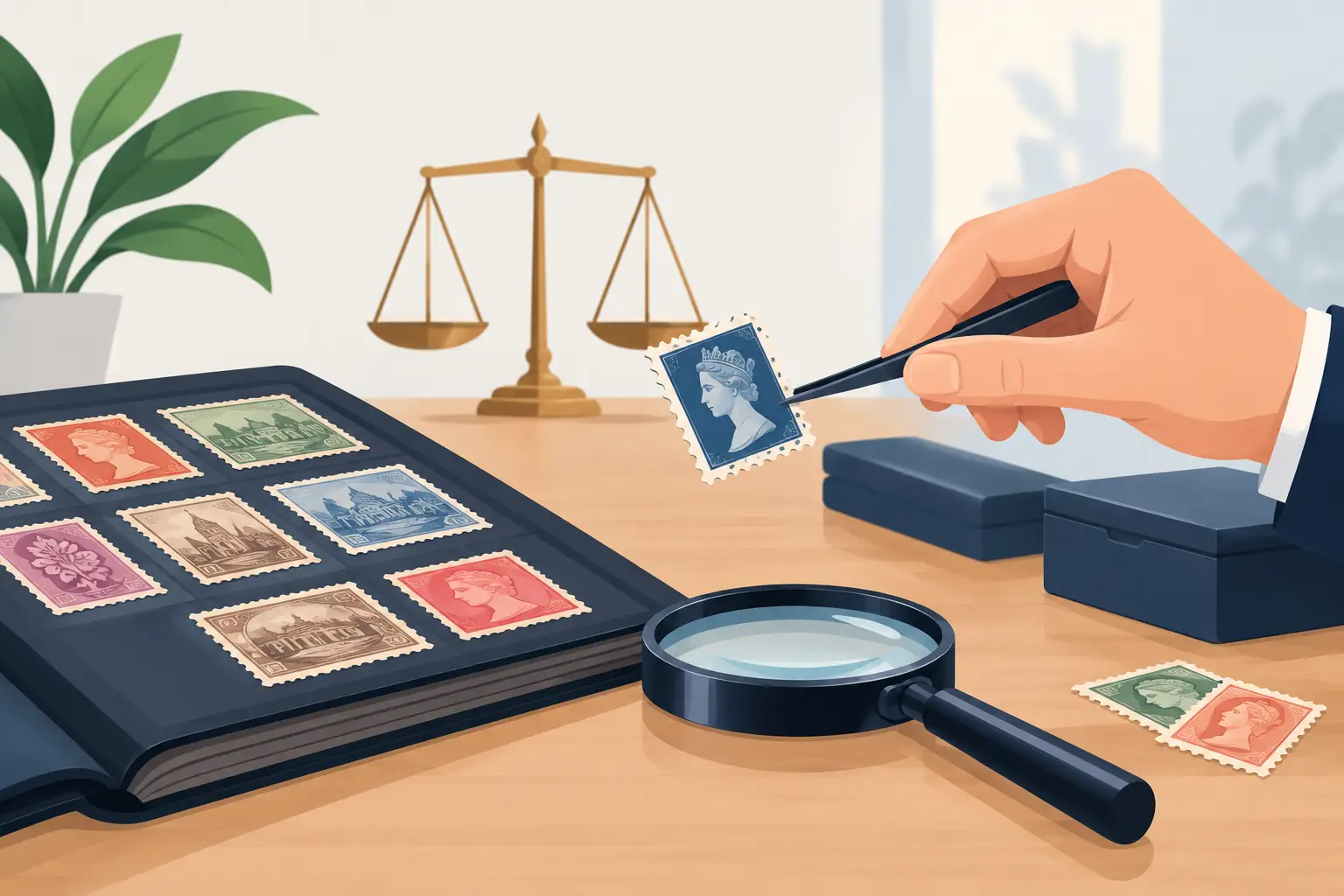
Stamp Appraisal: Know What Your Collection Is Worth
A stamp album can look like a childhood keepsake, an estate leftover, or a stack of paper with no obvious value. A professional stamp appraisal separates the common material from stamps, covers, errors, and complete collections that may deserve serious attention. For families in Western and Eastern Pennsylvania, that clarity matters before anything is sold, divided, donated, or thrown away.
At Westmoreland Rare Coins, sellers can schedule a private appointment to have stamps and related collectibles reviewed by an experienced buyer. Whether you have one old album or rooms full of collections, the goal is straightforward: identify what you have, explain what drives value, and make a fair offer when you are ready to sell.
What a Stamp Appraisal Looks For
Most older stamp collections contain a mix of values. A large album may have hundreds or thousands of stamps that are common, along with a small group that carries most of the collection's market value. Age alone does not determine the price. A stamp from the 1800s can be widely available, while a more recent error, scarce variety, or desirable complete set can attract strong demand.
A proper review considers the stamp's country, issue, denomination, condition, rarity, and current collector demand. Specialists also look at perforations, watermark varieties, printing methods, color shades, and whether a stamp has been altered or repaired. These details are why an online image search or a catalog listing can be misleading.
Catalog value is not the same as cash value. Catalogs often show a reference price for a stamp in a specified condition, sometimes with assumptions that do not match the item in hand. Actual buying value depends on condition, the quantity available, how easily the stamp can be resold, and whether collectors are actively seeking it. An honest appraisal addresses the real market, not an inflated number chosen to make a collection sound more valuable than it is.
Condition Can Change the Value Dramatically
In stamps, condition is not a minor issue. Centering, fresh color, clean gum, intact perforations, and a light or desirable cancellation can make a meaningful difference. Creases, thin spots, tears, stains, fading, missing perforations, and heavy hinge marks can reduce value sharply. A stamp that appears fine through an album page may reveal problems once it is carefully examined.
Unused stamps need special attention. Some retain original gum, while others have been regummed, mounted, or disturbed. Used stamps may be ordinary, but certain cancellations, postmarks, or postal-history uses can make them more interesting. Envelopes, first-day covers, airmail items, and older correspondence should not be separated automatically. The cover itself can be the collectible.
This is one reason to avoid soaking stamps off envelopes, trimming margins, cleaning them, or trying home repairs before an appraisal. Those efforts can permanently reduce value. Leave stamps in their albums, stock books, glassines, or envelopes whenever possible. A knowledgeable buyer can inspect them safely and explain the next step.
When a Stamp Collection Is Worth Bringing In
You do not need to know whether a collection is valuable before arranging an appointment. That is the reason for the review. Still, certain signs suggest a closer look is worthwhile: older U.S. stamps, foreign issues from the 19th or early 20th century, intact albums assembled over decades, blocks and sheets, unusual errors, and collections with certificates or original purchase records.
Estate collections also deserve a careful review because the original collector may have known exactly what to keep. A group that looks disorganized to an heir may include better stamps stored in envelopes, dealer cards, small boxes, or the back pages of an album. Do not assume the best material is displayed in a frame or mounted in the first album you open.
Large accumulations can be valuable in a different way. Even when individual stamps are common, organized worldwide collections, mint postage, topical collections, and dealer stock can have saleable value. The answer depends on the material, its condition, and the amount of time required to sort and market it. A professional appraisal should be realistic about that trade-off.
How to Prepare for a Stamp Appraisal
Preparation does not mean sorting every stamp by catalog number. In fact, aggressive sorting can separate sets, mix up original groupings, or create unnecessary handling risk. The best approach is to gather everything associated with the collection and present it as it was kept.
Bring albums, stock books, binders, envelopes, loose pages, boxes, dealer invoices, certificates, and any notes left by the collector. If stamps are stored in a basement, attic, garage, or safe-deposit box, mention that when scheduling. Humidity, smoke exposure, and long-term storage conditions can affect condition, so it helps to provide a full picture.
Take basic precautions during transport. Keep albums flat, do not pack heavy objects on top of them, and avoid leaving stamps in a hot vehicle. If an accumulation is too large to move comfortably, an in-home visit may be the better option. For substantial collections, that service can save time and reduce the chance of damage or loss.
Why Local, Private Evaluation Matters
Selling stamps through an auction or online marketplace can work for some specialized collections, but it is not always the best fit. Auctions involve fees, shipping, waiting periods, and uncertainty about the final result. Online selling requires detailed descriptions, scans, packing, shipping, and a willingness to manage returns or disputes. For an estate representative or family member, that can become a second job.
A private appointment offers another path. You can ask questions directly, understand why certain stamps are valued differently, and decide whether a cash offer makes sense. There is no need to accept an offer simply because you brought the collection in. The purpose of the appraisal is to give you useful information and a clear option to sell.
Privacy also matters. Stamp collections can represent decades of collecting and may be stored alongside coins, currency, precious metals, trading cards, or other assets. Working with an established buyer in a professional setting provides discretion and a practical way to handle several categories at once. For larger transactions, certified-fund capability and bank references offer additional reassurance.
Common Mistakes Sellers Can Avoid
The biggest mistake is judging a collection solely by its size. A large box is not automatically valuable, and a slim folder is not automatically insignificant. Value follows rarity, condition, demand, and completeness more than physical volume.
Another mistake is relying on old catalog prices or a relative's memory of what was paid decades ago. The stamp market changes, and retail purchase prices do not always translate into resale value. It is also wise to be cautious of anyone who gives a high number without closely examining the material or explaining the basis for it.
Finally, do not discard duplicates, foreign stamps, covers, or damaged-looking material before it is reviewed. Some duplication has market value, and some postal-history pieces are worth more than the stamps attached to them. Let the evaluation come first, then make decisions with better information.
Get a Clear Answer Before You Sell
A stamp collection deserves more than a quick guess at a garage sale or a vague online estimate. Make an appointment for a professional review, bring the collection in the condition you found it, and get a straightforward assessment from a buyer who understands collectibles.
If the collection is large, inherited, or difficult to transport, ask about an in-home appraisal. The right next step is simple: protect what you have, get the facts, and move forward at a pace that works for you.


Comments