


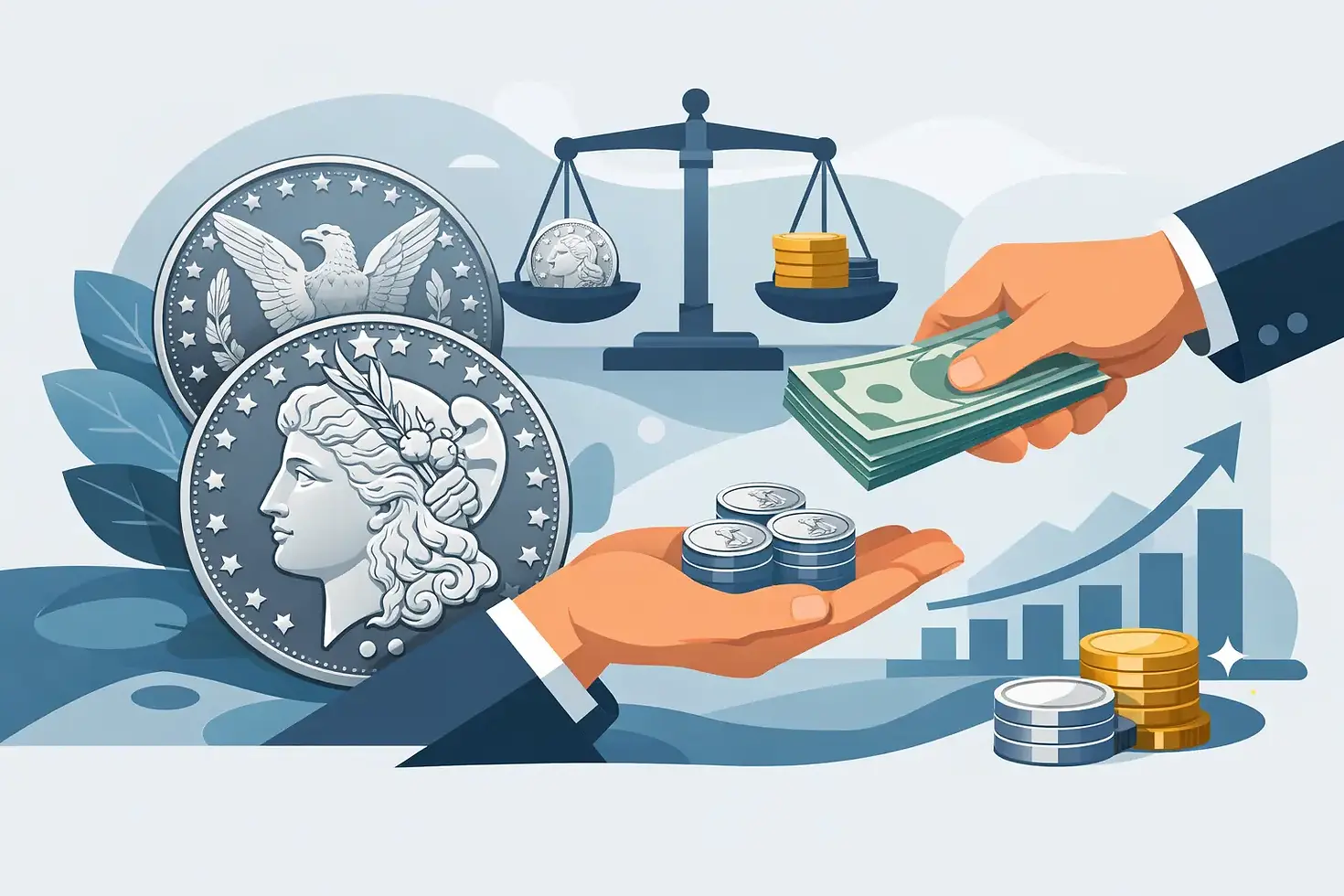
How to Sell Morgan Dollars for a Fair Price
A box of old silver dollars can look deceptively simple. One coin may be worth close to its silver value, while another from the same box could carry a meaningful collector premium. Knowing how to sell Morgan dollars starts with protecting the coins, understanding what buyers look for, and choosing a buyer who can evaluate each piece instead of making one blanket offer.
Morgan dollars were struck from 1878 through 1904, then again in 1921. They are among America’s most recognized silver coins, which means there is an active market for common dates, scarcer issues, high-grade examples, and coins with strong eye appeal. If you inherited a collection, have accumulated silver dollars over the years, or are settling an estate, a careful in-person evaluation can turn uncertainty into a clear selling decision.
Start by Handling the Coins Correctly
Before you seek an offer, resist the urge to clean or polish anything. A bright, freshly scrubbed Morgan dollar may look better to an untrained eye, but cleaning often damages the original surface and can substantially reduce collector value. Even well-intended wiping can leave hairline scratches that experienced buyers see immediately.
Hold raw coins by their edges, preferably over a soft towel or table surface. Keep coins in the holders, envelopes, albums, or tubes where you found them. Old paper holders, handwritten notes, and original packaging can sometimes provide useful context, though the coin itself is what determines most of the value.
If the collection includes coins in plastic grading holders from services such as PCGS or NGC, leave them sealed. Those holders identify the date, mintmark, grade, and certification number, making the evaluation process more straightforward.
What Makes One Morgan Dollar Worth More Than Another?
Every Morgan dollar contains silver, but its market value is not based on silver content alone. Date, mintmark, condition, originality, certification, and current collector demand all matter. The difference can be significant.
The date appears on the front of the coin. The mintmark, when present, is found on the reverse beneath the wreath and above the letters “DO” in “DOLLAR.” Morgan dollars were produced at several mints, including Philadelphia with no mintmark, Carson City with CC, New Orleans with O, San Francisco with S, and Denver with D on 1921 issues.
Carson City Morgan dollars often receive extra attention because of their history and limited production. That does not mean every CC dollar is rare or extremely valuable, but it does mean it should never be treated automatically as ordinary silver. Certain dates and mintmarks from other facilities are also much tougher to find, particularly in attractive uncirculated condition.
Condition is equally important. Coins that retain original mint luster and show little wear can be worth far more than heavily circulated examples. At the same time, not every old coin with dark toning is damaged and not every bright coin is original. Natural toning can be desirable, while harsh cleaning, artificial color, corrosion, scratches, rim damage, and altered surfaces can reduce the price a collector will pay.
A qualified coin buyer will also look for varieties. Some Morgan dollars have die characteristics, doubled features, or other recognized varieties that add value. You do not need to identify these details before selling. You do need a buyer who knows to check.
Separate the Collection, but Do Not Pick It Apart
A little organization helps an appraisal go faster. Group loose Morgan dollars together, keep certified coins separate, and set aside related items such as Peace dollars, silver certificates, gold coins, or bullion. If you have an album, do not remove coins from it just to make them easier to inspect. The same rule applies to old coin boards, folders, and estate envelopes.
Do not assume the oldest coins are automatically the best coins, and do not spend hours searching internet listings for a price match. Asking prices are not completed sales, and photographs rarely show the surface quality that drives a coin’s real market value. Online marketplaces also expose sellers to shipping risk, fees, returns, and buyers who may challenge a transaction after delivery.
For a larger estate, make a simple inventory only if it is easy to do. A note such as “two boxes of silver dollars, one album, and several certified coins” is enough to begin. The goal is to give the buyer a sense of what needs to be reviewed, not to become your own cataloger.
How to Sell Morgan Dollars Without Leaving Money on the Table
The best selling process is direct: have the coins examined individually or by logical groups, receive an explanation of the offer, and choose whether the price works for you. A reputable buyer should distinguish between common circulated Morgan dollars, better dates, certified pieces, and coins that require a closer look.
When you meet with a dealer, ask how the offer was determined. You do not need a lecture on grading standards, but you deserve a clear explanation when a coin carries more value than its silver content or when surface problems limit its premium. Transparency matters most with inherited collections, where a few overlooked coins can change the total value.
Selling locally also gives you privacy and control. You can watch the evaluation, ask questions in real time, and avoid packing valuable coins for shipment. For sellers who want immediate liquidity, a buyer with the ability to pay promptly by cash or certified funds can be a better fit than an auction process that may take months and still involves commissions.
There are times when an auction may make sense, particularly for an exceptional rarity with broad national demand. But auctions are not automatically the highest-net solution. Seller fees, insurance, shipping, timing, and the uncertainty of bidding all affect the final result. For most Morgan dollar groups, a fair direct offer from a knowledgeable specialist is the simpler route.
Be Ready for These Questions at Your Appointment
A buyer may ask where the coins came from, whether they have been cleaned, and whether there are more items in the home. These questions are practical, not intrusive. Provenance can help explain why coins are stored a certain way, and knowing about the rest of the collection helps ensure that related items are not overlooked.
Bring any certificates, purchase receipts, grading paperwork, or written notes that came with the collection. They may not increase the value on their own, but they can help establish what has already been identified or certified. If you are an executor or handling property for a family member, bring any documentation needed to confirm you have authority to sell.
For your own protection, follow a few basic rules:
Do not clean, dip, polish, or place sticky labels directly on coins.
Do not accept a silver-only offer until better dates and certified coins have been checked.
Do not mail valuable coins to an unfamiliar buyer based solely on an online quote.
Do not feel pressured to sell during the first conversation if the offer has not been explained.
Do ask whether the buyer can handle the entire collection, including related gold, silver, currency, and bullion.
Selling an Estate or a Large Morgan Dollar Collection
Large collections require more than a quick look across a counter. A family may have multiple albums, bags of silver dollars, safe-deposit-box contents, precious-metal items, old currency, and records collected over decades. In that situation, convenience and security matter as much as pricing.
Westmoreland Rare Coins works by appointment for sellers throughout Western Pennsylvania and Eastern Pennsylvania, including Delmont, Monroeville, and the North Wales area. For substantial collections and appraisal needs, in-home visits can remove the stress of transporting valuable property. The focus is simple: identify what you have, explain the market, and provide a fast, fair payment option when you are ready to sell.
A complete review is especially valuable when Morgan dollars are mixed with other silver coins. Peace dollars, pre-1965 U.S. silver, commemoratives, gold coins, foreign currency, and bullion may each be priced differently. Selling everything as generic “old coins” is rarely the best approach.
Choose a Buyer Who Can Explain the Offer
The right buyer should have real experience with U.S. coins, the ability to evaluate both common and scarce Morgan dollars, and the financial capacity to complete the transaction. Bank references, established local operations, and a record of customer service are meaningful signs when you are selling assets that may represent years of savings or family history.
A fair offer is not just a number written on a slip of paper. It is an offer supported by an accurate evaluation, a clear payment process, and the respect to let you make an informed decision. Whether you have one Morgan dollar or an entire estate accumulation, make an appointment before you sell. A careful review may reveal that the coin you nearly treated as ordinary silver deserves a much closer look.


Comments